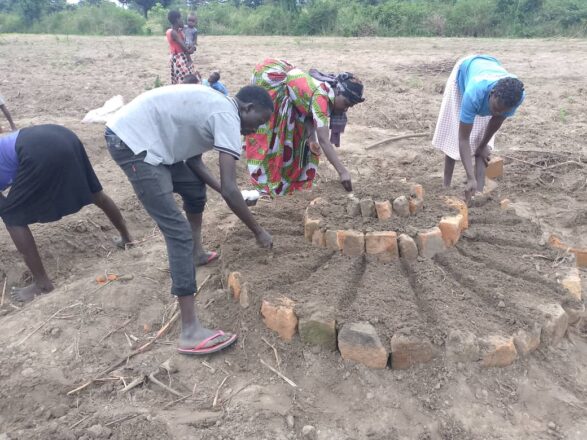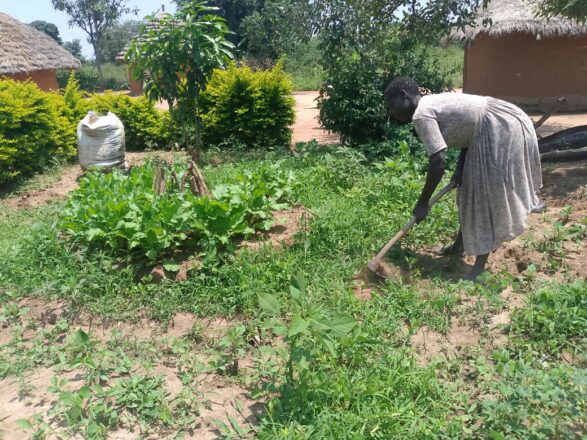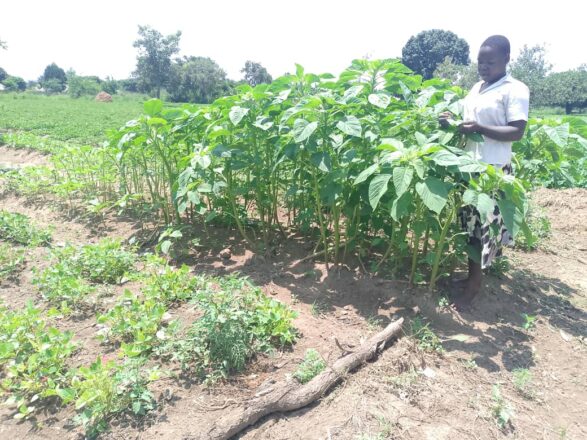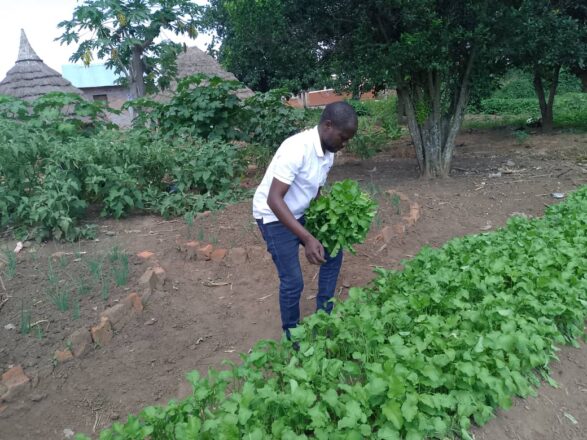
In the face of changing climate and fast agrobiodiversity loss, household food and nutrition security is currently the order of life among resource limited households in the semi-arid eastern Uganda. moreover, poor access to nutrient dense crops for household food consumption greatly undermines health and productivity of the people. This is further exacerbated by the fast disappearance of indigenous crops and varieties that guaranteed improved nutrition at almost zero cost. However, there is still hope and potential to revive indigenous crops, enhance their yields and ensure households access nutrient dense crops that are produced organically thereby ensuring sustainable nutrition diversity, food security and income access by households. Accordingly, Ateker Transformation and Sustainability Initiatives in partnership with National Semi-Arid Resources Research Institute (NaSARRI) and Popular Knowledge Women’s Initiatives (P’KWI) are championing biointensive kitchen gardening of indigenous vegetables. Farmers are trained on farm-made biofertilizer production, rain water harvesting and utilization including soil health analysis. The results so far point to higher potential for the kitchen gardening approach to foster adoption of biofertilizer utilization, farmers reviving indigenous crop production and conservation and adoption of climate smart efficient water use for agricultural production and generally improved nutrition and household incomes.