
The story of Moses Orone
AMIO INTEGRATED FARM
Mr. Orone Moses is a devoted farmer living in Awalwal Village Gweri Sub county Soroti City. His passion for agriculture began years ago when he was still a youth till now when he has become a model farmer benefiting not only himself and family, but also the community around him. Before Orone acquired the knowledge on agroecology, his farming activities solely depended on synthetic fertilizers and pesticides not until he later realized that these expensive chemical products were harming the land and depleting the soil of nutrients and microbiological diversity, like useful bacteria and fungi. Over time, this makes the land less productive, meaning declining yields for Orone.
In addition to that, Orone says, his body could itch so much when he sprayed these synthetic chemicals on his crops and his eyes too developed problems. When Orone heard about Agroecological farming from Ateker Transformation and Sustainability initiatives in collaboration with VEDCO, he believed that transitioning to a more natural farming system was worth a shot.
“Using 50kgs/acre of DAP worthy 200,000 shs,1.5 liters of striker per acre costing 47,000 shs, a synthetic fungicide of 1 litre worthy 100,000shs was expensive. Now that I use natural farming methods, they simply involve native microbes, Beejamrutha, Bocashi and Jeevamrutha different natural bio stimulants prepared from locally available ingredients such as cow dung, urine, yeast, wood ash, wood shavings, charcoal dust, molasses, pulse flour and a handful of soil, which are very cheap. That’s why I am practicing natural farming: low costs and better income,” says Orone
“When I was using chemical fertilizers, my soils were compact like a cement road with no lie in it as chemicals kept on killing most of the useful microorganisms and insects. The soils wouldn’t absorb water, and the expenses kept adding up. However, after adopting natural farming practices, the soils are softer,” says Orone.
Orone now produces his vegetables, cereals and legumes using his locally made bio fertilizers, pesticides and fungicides
Meanwhile Orone in the past 3 years sells native microbes solid at a fair price to the catholic mission community in Madera, Madera girls primary school where they are using this bio fertilizer to inoculate their seed before planting especially the rice, tomatoes among other crops and they appreciate the outcomes. As we speak, Orone has a tune of over 30 farmers that he supplies these agro inputs for.
Natural farming not only reduced his costs but also increased his revenues and the health of his soils through inter-cropping, a method that involves growing several compatible crops on the same land. The aim is to use the plants’ natural synergies efficiently to improve the yield. For example, one crop may naturally provide nutrients to the soil that the other crop needs to grow or perhaps repel or trap pests affecting the other crop.
“With chemical farming, we could cultivate only a single crop. In natural farming, four or five intercrops are also cultivated, such as tomato, sorghum, maize, Bambara nuts, onions, ground nuts and pulses, providing additional income and nutrition.”
The success of Agroecological farming on Orone’s farm motivated him to encourage others in his village.
Earthworms thrive in healthy soils and in turn make the soil even healthier, increasing nutrient availability, encouraging better drainage and creating a more stable soil structure, all of which help improve farm productivity. Unsurprisingly, Orone says, “We found that there were many more earthworms in natural farming fields.”
Orone has since gained recognition for his success with the natural farming methods and was supported by ATSI and the NaSARRI to become a trainer to support other farmers in using the methods and learning for themselves. Now, Orone also produces chemical free food products such as turmeric, tomatoes, vegetables to supply to the local market with safe foods.
Many common agricultural practices used around the world today, such as mono-cropping or over reliance on chemicals, are not sustainable as they degrade soils, cause tremendous stress on water resources and affect the profits, health and livelihoods of farmers. Natural farming methods show that there is an alternative.
Thanks to Orone and other pioneers like him spreading this natural solution, smallholder farmers spend less in input costs, get higher yields and more sustainable farming conditions, not to mention chemical-free food for consumers. Promoting the use of these simple, natural practices is paving the way for a more sustainable agricultural sector, changing our planet for the better.
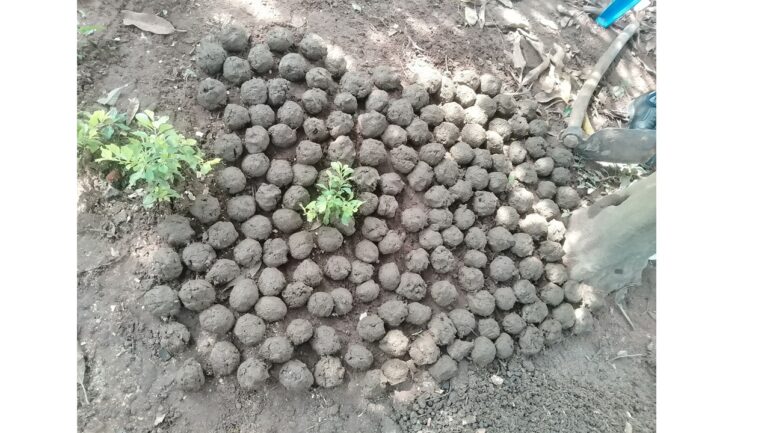
Figure 1: Solid biofertilizer formulated by Moses
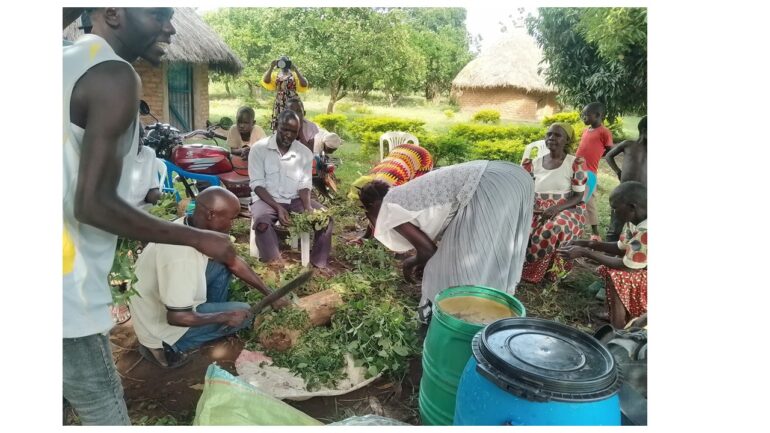
Figure 2: Moses and his community members making different plant based pesticides